I remember the morning in February 2022. News alerts flashed, markets gapped down at the open, and a familiar, cold knot tightened in my stomach. It wasn't my first geopolitical shock—I'd traded through 9/11, the 2008 financial crisis, Brexit, and numerous trade wars—but the sheer speed of the market's reassessment was startling. The immediate impulse for many investors was to sell everything and hide in cash. That's the emotional core of geopolitical uncertainty: the fear of the unknown event that could wipe out years of gains.
But here's the uncomfortable truth I've learned over two decades: geopolitical uncertainty isn't an anomaly; it's a permanent feature of the investing landscape. Treating it as a sporadic crisis to be "waited out" is a strategy for mediocre returns and constant anxiety. The goal isn't to predict the next conflict—an impossible task—but to build a portfolio that can withstand shocks and even find opportunity within the chaos. This guide is about moving from reactive panic to proactive, systematic management.
What You'll Find in This Guide
Beyond the Headlines: What Geopolitical Risk Really Means for Your Money
Most commentary stops at "stocks go down, gold goes up." That's simplistic and often wrong. The real impact channels are more specific and varied. A regional skirmish might spike energy prices but leave tech stocks unscathed. A cold war over technology can cripple semiconductor supply chains while boosting domestic defense contractors. The first step is to stop thinking in monolithic terms like "the market" and start thinking in terms of transmission mechanisms.
From my experience, these are the primary channels through which geopolitical shocks hit a portfolio:
- Commodity Supply Disruption: This is the most direct. Conflict in an oil-producing region or sanctions on a major mineral exporter (like Russian palladium or Ukrainian neon) can cause immediate, asymmetric price moves. Your energy stocks might soar, but your manufacturing holdings could get crushed by input costs.
- Trade and Capital Flow Restrictions: Tariffs, export controls, and sanctions rewire global trade. Companies with complex, far-flung supply chains are vulnerable. I've seen firms with seemingly solid fundamentals lose 30% of their value overnight because a key component was suddenly unavailable from a sanctioned country.
- Currency and Sovereign Risk: Investors flee to perceived safe-haven currencies (USD, CHF, JPY). Emerging market currencies and bonds can get hammered as capital exits. This can create a double-whammy for a U.S. investor in foreign assets: the local stock falls, and then the currency it's denominated in depreciates against the dollar.
- Sentiment and Volatility: This is the blanket effect. Fear drives a sell-off in risk assets across the board, often overshooting fundamentals. Volatility spikes, making options more expensive and amplifying price moves. This is where the most common mistake happens—selling quality assets at fire-sale prices due to broad-based panic.
A Systematic Framework for Managing Geopolitical Uncertainty
You need a process, not a prediction. This framework is what I use personally and with clients to take the emotion out of the equation.
1. Stress-Test Your Portfolio's Exposures
Don't guess. Audit your holdings. Ask concrete questions: How much revenue does this company derive from geopolitically sensitive regions? How dependent is its supply chain on a single country? Is its business model vulnerable to energy price spikes? Many companies detail these risks in their 10-K filings under "Risk Factors." This isn't about eliminating all risk—that's impossible—it's about knowing where your concentrations are so you're not blindsided.
2. Define Your "Uncertainty" Allocation
This is a mental bucket. It's the portion of your portfolio you consciously allocate to assets that tend to behave differently during crises. It's not an all-weather portfolio, but a specific toolkit for stormy weather. This bucket should be sized based on your personal risk tolerance and the current global climate. It's not static.
3. Diversify Beyond Correlation
Traditional diversification (60/40 stocks/bonds) often fails during inflation-driven or sudden geopolitical shocks, as both can fall together. You need assets with genuinely low or negative correlation to broad equity markets during stress periods. We'll explore specific candidates next.
4. Maintain Liquidity and Avoid Forced Selling
Having dry powder (cash or cash equivalents) is a strategic asset during a sell-off. It prevents you from having to sell depressed holdings to meet living expenses or margin calls. It also positions you to buy when others are fearful. A common rule of thumb is 6-12 months of expenses in a high-liquidity bucket, but during heightened uncertainty, I might lean toward the higher end.
Asset Class Deep Dive: What Works, What Doesn't
Let's get specific. Here’s a breakdown of how various assets have historically behaved during acute geopolitical stress, based on observed market reactions over the past 20 years.
| Asset Class | Typical Crisis Reaction | Key Mechanism | Major Drawback / Caveat |
|---|---|---|---|
| U.S. Treasury Bonds (Long Duration) | Strong Positive (Flight to Quality) | Investors seek the ultimate safe-haven asset, driving prices up and yields down. | Vulnerable if the crisis triggers sustained inflation (e.g., an oil shock). Can be a crowded trade. |
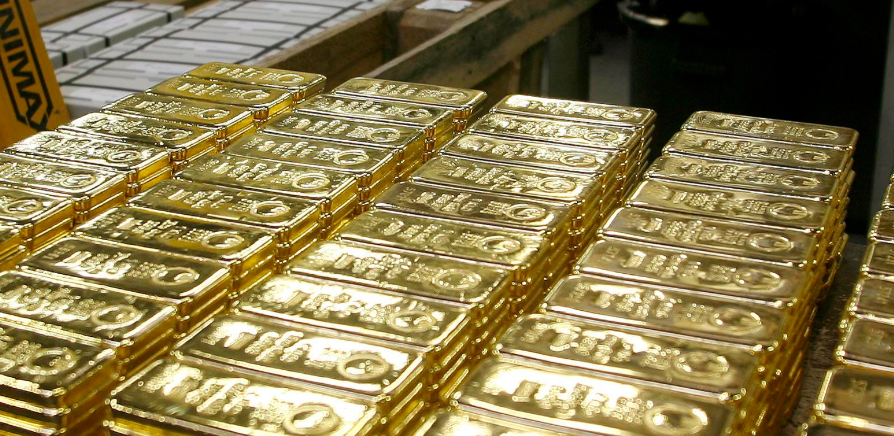
| Gold | Positive (Store of Value) | Acts as a non-sovereign, physical hedge against currency debasement and fear. | No yield. Volatile in the short term. Doesn't always spike predictably; performance can be choppy. |
| U.S. Dollar (DXY Index) | Strong Positive | Global reserve currency status. Demand for USD liquidity surges. | Hurts returns on non-U.S. assets for a U.S.-based investor. Can tighten global financial conditions. |
| Defense & Aerospace Stocks | Positive (Thematic Play) | Expectation of increased government spending on military and security. | Valuations can already be high. Tied to specific budget cycles, not all crises. |
| Energy Commodities (Oil, Gas) | Extremely Volatile (Supply Shock) | Direct physical disruption or threat to supply routes. | Can crash just as fast if the crisis eases. A major price spike can itself cause a recession. |
| Broad International Stocks (EAFE) | Negative (Risk-Off) | Capital flows out of perceived riskier, non-U.S. markets. | Often suffers more than U.S. equities. Currency effects amplify losses in USD terms. |
| Cryptocurrencies (e.g., Bitcoin) | Unpredictable / Correlated to Tech | Theorized as "digital gold," but often trades as a high-beta risk asset. | High volatility. Lack of long-term track record during major geopolitical events. Regulatory risk. |
A personal observation: the "gold and bonds always rally" mantra is dangerously incomplete. In the initial phase of the 2022 Ukraine invasion, gold did jump, but long-term Treasuries sold off sharply because the crisis amplified existing inflation fears. It was a reminder that context—especially the prevailing macroeconomic backdrop—matters immensely.
Actionable Strategies You Can Implement Now
This isn't just theory. Here are concrete steps, ranging from simple to more advanced.
For the Hands-Off Investor: The simplest hedge is a modest, permanent allocation to a mix of assets from the table above. Think 5-10% of your portfolio split between something like a Treasury ETF (e.g., TLT), a gold ETF (e.g., GLD), and maybe a low-cost dollar fund. Rebalance annually. You're not timing anything; you're just always holding some insurance, which smooths overall returns.
For the Active Allocator: Build a "watchlist" of potential crisis beneficiaries. This includes specific defense contractors, energy infrastructure companies (pipelines, storage), and domestic manufacturing firms with short, resilient supply chains. Don't buy them all at once. Wait for a market panic that indiscriminately sells off everything—that's when you might find these relative-strength players at a discount.
A Tactical Move I've Used: Instead of buying gold outright, I sometimes look at gold mining stocks (GDX) when they are deeply out of favor and their valuations disconnect from the gold price. They offer leverage to the metal's price but come with operational risks. It's a higher-risk, higher-potential-reward play within the hedge bucket.
The Most Important Strategy of All: Do Nothing. Seriously. If you have a well-constructed, long-term plan and your life situation hasn't changed, the single best action during a geopolitical panic is often to turn off the news and log out of your brokerage account. Emotional selling is the number one destroyer of portfolio value during these times. I've had to physically stop clients from hitting the sell button more times than I can count.
Answers to Tough Investor Questions
The final word is this: geopolitical uncertainty is a risk to be managed, not a reason to abandon investing. By understanding the transmission channels, building a resilient framework, and sticking to a disciplined process, you can protect your capital and sleep better at night. The goal isn't to avoid every storm, but to build a ship that can sail through them.
Comment desk
Leave a comment